Article Overview
Traditional cottage garden design often relies on the timeless appeal of natural stone or weathered timber, which creates a significant challenge when your budget or site requirements dictate the use of plastic planters. Many business owners assume that synthetic materials are inherently at odds with a soft, romantic aesthetic, but this guide provides practical methods to bridge that gap effectively. By focusing on clever textures, clever colour palettes, and strategic positioning, we show you how to integrate modern materials without losing the authentic, informal charm that draws customers into your space. This approach helps you maintain the high functional standards of modern containers while preserving the nostalgic character of a classic garden, providing you with a versatile toolkit to enhance your outdoor areas while keeping project costs under control and visual interest at a maximum.
We often notice that commercial outdoor spaces suffer when the utilitarian nature of synthetic containers clashes with the surrounding greenery, especially when those spaces aim for a relaxed and heritage feel. Choosing a lightweight, durable option like a plastic container is a smart decision for ease of movement, yet these items frequently look stark against rustic brickwork or overflowing wildflower borders. This mismatch makes the garden feel disjointed, which pulls the focus away from your beautiful plant displays and makes the entire display feel disconnected from your branding.
When your containers feel too bright or too shiny, they stand out in ways that do not serve your design goals, which leads to frustrated visitors who may overlook the effort you put into your garden displays. If a potential client feels that your space looks unpolished or lacks a cohesive style, they might subconsciously doubt your attention to detail across the rest of your business. Leaving these plastic elements in their original state often results in lost enquiries because the visual friction stops people from appreciating the high-quality of the plants themselves.
Our practical approach solves this dilemma by showing you how to soften the appearance of these functional items so they blend into the scenery. We focus on techniques that add layers of texture and depth, which allows the containers to act as a supportive frame for your cottage garden plants. You can transform standard, durable materials into assets that look like authentic, weathered features through simple aesthetic adjustments that require minimal expense and very little time to implement throughout your property.
KEY TAKEAWAYS
- ✓Applying a matte paint finish helps to remove the reflective glare from plastic planters so they sit quietly within the shadows of your foliage.
- ✓Using natural climbing plants to drape over the sides of your containers creates a soft, overgrown look that mimics the charm of a rustic country setting.
- ✓Placing your containers in groups at different heights helps them disappear into the density of the garden, which makes them feel like natural parts of the garden architecture.

Need Specialist Advice on plastic planters?
Speak to our technical team today for tailored specifications, regulations compliance, and practical support.
Speak to a SpecialistWays to add texture with paint and specialist finishes
You might find that a sleek, modern plastic container feels a bit stark against a backdrop of traditional climbing roses or unruly lavender. When you want to bridge the gap between contemporary convenience and cottage charm, the secret often lies in how you alter the surface to mimic natural materials. A simple layer of paint can change the character of a planter instantly, especially when you choose colours that reflect the soft, earthy tones found in a classic English garden.
Achieving a weathered look with chalk paint
Many gardeners turn to chalk paint because it provides a matte, porous surface that looks remarkably similar to aged stone or terracotta. You can apply this by dabbing the brush rather than brushing it on in long, smooth strokes, which helps build up a rugged depth that catches the morning light. Because this type of finish is so forgiving, you can layer a darker shade of grey or sage green over a lighter base to create an authentic, time-worn appearance.
- Start with a clean surface so the paint adheres properly to the smooth plastic base.
- Apply your chosen colour in thin, uneven layers to keep the texture interesting.
- Use a dry wax or a subtle glaze once the paint is dry to protect the finish against rainy British weather.
- Concentrate your dabbing motion around the rim and corners to simulate the natural erosion you see on old stone troughs.
Adding body with masonry paint
If you prefer a more durable solution, masonry paint is an excellent choice because it contains small particles that create a coarse, tactile surface. While this paint is designed for brickwork, it works wonders on plastic planters because it gives them a substantial weight and a gritty feel that looks perfectly at home among your cottage perennials. When you look closely at the results, you will notice that the subtle grit catches the shadows, which helps the pot look less like synthetic material and more like a traditional architectural feature.
In practice, this means you can transform a plain Versailles style trough into a piece that looks like it has stood on your patio for a generation. Simply dabbing the paint on with a stiff-bristled brush will give you the best results, as the bristles will leave tiny ridges and patterns that enhance the aged effect. You might consider mixing two colours on the brush simultaneously to create a variegated look that mimics the natural weathering of moss or lichen. This little bit of effort ensures that your garden containers feel like an integral part of the garden, rather than just a place to store your plants.
| Method | Aesthetic result | Effort level | Weather resistance |
|---|---|---|---|
| Hazel hurdle wrap | Rustic cottage charm | Low | Good for two seasons |
| Textured stone paint | Weathered terracotta look | Medium | High if primed well |
| Trailing ivy planting | Natural soft coverage | Medium | Excellent |
| Fabric slip covers | Soft heritage aesthetic | Low | Requires regular cleaning |
How to camouflage pots using natural garden materials
Softening hard edges with woodland textures
When you look closely at a plastic planter sitting in a traditional garden, the material often stands out because of its uniform surface. To remedy this, you can wrap the exterior in willow screening which brings a rustic, organic quality that pairs beautifully with heritage aesthetics. It works well because the flexible material bends around curved containers and stays firmly in place with a bit of garden wire. If you find yourself working with larger containers, remember that the goal is to create a visual transition between the pot and the surrounding borders so that the artificial base disappears into the landscape. Many of our customers in the countryside tell me that this simple adjustment makes their plastic troughs look like expensive, woven baskets after only a few minutes of effort.
Using nature to hide the base
In practice, this means you can use bamboo poles or stems to create a decorative fence around the pot perimeter, which gives the container an architectural look that mimics high-end garden furniture. Because local customers often find that standard plastic lacks the character of a classic Versailles style, layering natural materials provides the depth that a traditional cottage garden demands. You could even secure these pieces with thick twine to emphasise the handmade aesthetic, which is a technique that feels very much at home in a quintessentially British garden. Once you have a clear picture of how these textures sit against your existing shrubs, you will find it much easier to balance the formal lines of your pots with the loose, informal planting style that defines the country cottage look.
Bringing height and colour to the rescue
Because local customers tend to prefer a lush look, I always suggest using climbing plants to soften the edges of the pot itself. You can place smaller pots directly in front of the plastic containers or train ivy and clematis to grow over the surface of the vessel, which transforms a standard grey or green plastic pot into a living feature. This approach works especially well when you are trying to hide bulky bases on a patio, as the green foliage acts as a natural screen that draws the eye toward your flowers rather than the container material. It is worth taking a moment to consider which species thrive in your specific soil conditions before you start planting, as a healthy, thriving climber will do far more to hide the plastic than any artificial covering ever could. When you keep the maintenance simple and focus on the natural cycle of the seasons, your garden will feel established and authentic throughout the entire year.

Creative methods to give your planters a stone appearance
Achieving that authentic antique finish
When you look closely at a pristine plastic container sitting in a traditional cottage garden, the high-gloss finish often struggles to blend with the natural texture of weathered stone walls. You can solve this by applying a clever limewash technique that softens the surface while creating a chalky, historical character that looks perfectly at home amongst your climbing roses and lavender. Because local customers often prefer the aesthetic of aged materials, brushing on a thin, tinted layer allows the underlying plastic to lose its synthetic sheen, which helps your pots sit quietly in the garden rather than drawing too much unwanted attention.
Simple ways to build texture
If you want to move beyond a simple coat of paint, you should try adding a fine sand mix to your exterior primer to give the surface a genuine grit. You can experiment with these three approaches to get the best possible result for your display.
- You stir a small handful of horticultural sand into your chosen shade of masonry paint until you see a consistent, grainy consistency throughout the mixture.
- You dab the mixture onto your plastic pot using an old, stiff-bristled brush which creates a rough, pitted surface that mimics the weathered appearance of real Portland stone.
- You allow the first coat to dry completely before applying a darker, watery glaze into the deeper crevices to highlight the newly created texture and add visual depth.
Choosing your final faux stone treatment
In practice, applying a faux stone effect is an excellent way to elevate our best selling garden planters, especially the Versailles range, so that they complement the classic architecture of your property. Although it might feel daunting to alter a brand-new container, the transformation is surprisingly quick and provides a much more settled look than the standard factory finish. Once you have a clear picture of the specific shade of stone you wish to replicate, you might find it useful to keep a small swatch of the target material nearby while you work. This allows you to adjust your colour blending in real-time, which means your planters will eventually look as though they have been standing in the same spot for decades, gracefully absorbing the seasonal changes of your own garden beds. By focusing on these subtle modifications, you turn a modern manufacturing choice into a charming, bespoke feature that feels entirely personal to your outdoor space.
Smart placement to integrate modern planters into classic borders
When you want to marry the durability of modern materials with the charm of a classic country space, the secret lies in how you position your containers within the existing layout. Many of our customers worry that a synthetic finish will clash with traditional cottage garden borders, but the eye is remarkably forgiving if you focus on the surrounding foliage. Because a well-placed planter acts as an anchor for the plant it holds, you can effectively tuck the edges of a container behind low-growing shrubs or perennials which softens the overall outline of the item.
The art of layered planting
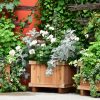
If you use a set of Versailles planters, try grouping them at different heights so that the uniform edges are partially obscured by spilling greenery like lavender or trailing ivy. This approach breaks up the rigid geometry of the container while keeping the focus on the seasonal flowers, which makes the choice of material far less obvious to the casual observer. When you look closely at how a plant naturally drapes over the side, you realise that the container serves as a stage for the display rather than a centrepiece that needs to shout for attention.
Colour coordination in the garden
You should aim to pick containers that mirror the tones found in your stone paths or wooden garden furniture, because a sense of continuity makes even the most modern materials feel right at home. Once you have a clear picture of your preferred colour schemes, you can select planters that bridge the gap between contemporary utility and traditional aesthetics. If your garden has dark iron features or weathered timber, selecting darker tones for your containers ensures they recede into the shadows of the foliage during the summer months. This creates a balanced look where the architecture of the garden supports the plants, so that everything feels like a natural evolution of the space.
In practice, this means avoiding the centre of a lawn where a bright, unadorned planter would stand out too starkly against the grass. Instead, shift your containers towards the corners of the terrace or nestle them into a cluster of varying pots where they can form part of a larger, textured arrangement. Because local gardeners often find that a mix of heights and shapes creates the most authentic cottage feel, you can experiment with different scales to draw the eye away from the plastic surfaces. By focusing on the interplay between shadow and leaf, you turn a modern practical item into a subtle helper that enhances the beauty of your flowerbeds throughout the changing seasons.

Frequently Asked Questions around Plastic Planters
Can I paint my plastic pots to make them look like stone?
You can certainly achieve a stone effect by applying a primer specifically designed for plastics, which helps the masonry paint adhere firmly to the smooth surface of the pot. Many people choose to mix a little sand or tile grout into their exterior emulsion paint because this creates a gritty, authentic texture that mimics the appearance of weathered Portland stone.
Will the paint peel off when the weather turns cold?
Standard paints often struggle with the expansion and contraction of plastic in freezing temperatures, so it pays to invest in a high-quality flexible primer meant for outdoor use. If you prepare the surface properly by giving it a light sand first, your finish will stay intact for 2 or 3 seasons even during our wettest British winters.
How do I hide the bright plastic edges from view?
You can create a beautiful visual layer by wrapping the top rim of the planter in natural jute twine or sisal rope, which blends perfectly with a cottage garden. Securing this with a bit of waterproof glue keeps it tidy, and it softens the harsh silhouette of the plastic while adding a lovely touch of rustic texture to your patio.
Does it look natural to leave plastic pots outside all year?
Plastic is actually quite hardy, but it can look a bit stark if it sits alone on a patio, so I always suggest grouping them with taller plants. Placing your plastic containers inside a simple wooden crate or a willow basket transforms them instantly because the natural materials take centre stage while the hidden plastic container manages the watering.
Are there any risks to using dark-coloured plastic pots?
Dark plastic absorbs a lot of heat during the middle of the day, which can cause the root systems of your delicate perennials to get a bit too warm. A clever way to solve this involves painting the outside in a lighter shade, or you could simply place the plastic pot inside a decorative terracotta shell.
Should I drill extra holes for drainage before I start?
Plastic pots often come with only a few small drainage holes, so it is a good idea to add a few more with a sharp drill bit. Good drainage keeps your plants healthy, which means they will grow large enough to eventually hide the edges of the pot behind a cascade of colourful trailing flowers or lush foliage.
Is it worth spending money on expensive paints for these pots?
You do not need to spend more than 10 or 15 pounds on materials, as a simple tin of outdoor masonry paint goes a very long way indeed. Since plastic is quite durable, giving an old container a fresh coat of sage green or soft cream is a thrifty project that saves you the cost of buying new stone alternatives.
How do I stop the plastic from looking shiny in the sunlight?
A glossy surface is a dead giveaway for plastic, so I recommend using a matte finish paint or applying a final coat of clear protective lacquer. This removes the artificial gleam immediately, and it allows the pot to sit quietly in the garden where it complements your traditional flowers instead of distracting from their natural beauty.
Ready to Upgrade Your Equipment?
Browse our certified range online or get in touch with our team for trade specifications.
View Products