|
⏱ 12 min read
|
✓ Verified to UK Standards
Article Overview
Container Gardening in UK Gardens offers an exceptional way to transform modest outdoor spaces into vibrant, green sanctuaries without requiring sprawling lawn areas. By pairing the right Small Trees with robust Patio Pots, homeowners can introduce structural height, dynamic seasonal colour, and natural privacy to paved areas or courtyards. This comprehensive guide walks you through selecting ideal dwarf and slow-growing tree species that flourish within the specific climatic conditions of the British Isles. We explore essential care techniques, from selecting well-draining compost mixes to establishing proper irrigation routines during dry spells. You will also discover how choosing premium containers, such as classic timber or heavy-duty Versailles troughs, provides winter frost protection while anchoring your patio design. Whether you manage a compact town terrace or a sprawling rural retreat, growing trees in large planters delivers flexible, long-term elegance for any setting.
Many British homeowners struggle to introduce meaningful visual height and structural green elements to paved courtyards or modern patio areas. Traditional ground planting is often impossible due to hard landscaping, shallow soil depths, or restrictive boundary lines.
Neglecting vertical space leaves outdoor sitting areas looking flat, exposed, and utilitarian, which significantly reduces the time you spend enjoying your garden. Purchasing delicate saplings that quickly outgrow fragile containers also leads to wasted money, damaged roots, and frustrating replanting tasks every single season.
Investing in properly sized, heavy-duty planters creates a controlled root environment that naturally restricts growth while maintaining optimal plant health. Moving to high-capacity containers allows small specimens to establish deep root systems, delivering year-round visual interest and effortless stability across unpredictable UK weather conditions.
KEY TAKEAWAYS
- ✓Generous planter volumes protect delicate root systems from freezing winter temperatures and scorching summer drought conditions across all UK regions.
- ✓Positioning specimen trees in movable containers gives you complete control over sun exposure, shelter from wind, and dynamic seasonal patio layouts.
- ✓Premium timber troughs and classic Versailles containers provide necessary drainage while adding immediate architectural sophistication to hard landscaping.

Need Specialist Advice on large pots for trees?
Speak to our technical team today for tailored specifications, regulations compliance, and practical support.
Choosing the Right Large Pots for Trees to Ensure Long Term Health
Selecting robust materials for long-term survival
Selecting the right material for your large pots for trees is the single most important decision you will make for your patio garden. High-quality timber and heavy-duty metals offer the thermal protection sensitive root systems desperately need during harsh British winters.
When roots freeze and thaw rapidly in thin plastic pots, the tree suffers irreversible stress. Investing in thick-walled wooden containers or classic Versailles planters creates a protective buffer against extreme temperature swings.
Key material checks before buying:
1. Ensure timber is pressure-treated to resist rot and fungal decay for at least 10 years.
2. Look for solid corner posts and reinforced bases that support heavy, wet compost.
3. Check for internal corner braces that prevent soil pressure from bowing the container walls.
Drainage requirements and root aeration
Proper drainage holes are essential to prevent waterlogging and keep your container-grown trees thriving year after year. Without an efficient escape route for excess rainwater, sitting water quickly rots fine feeder roots and starves the tree of oxygen.
British weather often delivers sudden winter downpours, making natural water flow critical. You should always elevate your planter slightly off the patio surface using hidden feet or stone risers. This simple trick prevents standing water from blocking the base and protects your paving from unsightly damp stains.
Sizing containers to encourage steady growth
Choosing a planter with generous proportions gives your small tree the best possible start without drowning the root ball in sour soil. A spacious planter allows roots to spread naturally while holding enough moisture to survive hot summer afternoons.
If you plant a small tree in a massive volume of fresh compost, the unrooted soil remains cold and saturated for too long. Instead, pick a planter that offers a 5 to 10 cm gap around the current root ball. This controlled space encourages healthy root expansion, making it easy to top-dress the soil with fresh organic matter every spring.
| Tree Species | Minimum Pot Size | UK Hardiness Rating | Key Seasonal Attraction | Care and Maintenance |
|---|---|---|---|---|
| Japanese Maple Acer palmatum |
45 cm depth 50 litre capacity |
H6 fully hardy across the UK | Stunning fiery autumn foliage and delicate leaf shape | Requires shelter from strong drying winds and ericaceous loam compost |
| Olive Tree Olea europaea |
50 cm depth 60 litre capacity |
H4 hardy down to minus 10 | Evergreen silvery foliage with architectural structure year round | Needs maximum sunlight, free draining terracotta pots, and winter frost protection |
| Crab Apple Malus Malussecta |
55 cm depth 75 litre capacity |
H6 fully hardy across the UK | Spring blossom followed by colourful autumn fruit for wildlife | Thrives in heavy loam John Innes number 3 compost with regular summer watering |
| Dwarf Amelanchier Amelanchier lamarckii |
50 cm depth 60 litre capacity |
H7 extremely hardy | Pure white spring flowers, summer berries, and rich copper autumn leaf colour | Low maintenance variety requiring minimal pruning and consistent moisture levels |
Top Small Tree Varieties for UK Patios
Selecting the right specimen transforms a modest paved area into a lush retreat. When planting in large patio pots, you need hard-working specimens that offer year-round interest without overpowering your space.
Japanese Maple for Stunning Seasonal Foliage
Acers are widely considered the ultimate choice for adding delicate textures and rich colours to compact outdoor spaces. These striking slow-growing specimens thrive brilliantly in sheltered spots, provided you protect their delicate leaves from harsh drying winds.
To keep your container-grown Japanese Maple looking pristine throughout the year, follow these 3 simple maintenance steps:
- Position your pot in a semi-shaded area away from strong afternoon sunlight.
- Use a high-quality ericaceous compost mixed with coarse grit for perfect drainage.
- Water regularly using rainwater rather than tap water to maintain the ideal soil acidity.
Olive Tree for Year-Round Mediterranean Charm
An Olive Tree brings an effortlessly chic, silver-green elegance to sunny British courtyards and paved gardens. These hardy evergreen specimens cope remarkably well with dry spells once established in substantial, well-draining planters.
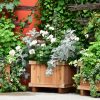
To maintain healthy growth, surround the root ball with a heavy soil-based compost such as John Innes No. 3. Place your container against a south-facing brick wall where it benefits from stored heat during chilly winter nights. Pairing these silvery beauties with classic wooden planters, such as traditional Versailles containers, creates a crisp architectural look that instantly lifts your outdoor layout.
Crab Apple for Spectacular Blossom and Fruit
A compact Crab Apple delivers a marvellous multi-season display of spring flowers followed by colourful autumn fruit. These cheerful small trees are incredibly easy to manage in large containers, attracting local wildlife to your doorstep.
Choose dwarf rootstocks such as M27 or M9 to ensure your tree remains at a manageable height for patio life. Regular feeding with an organic fertiliser during late spring promotes abundant fruit production. In early spring, prune away any dead or crossing branches to encourage a open, healthy canopy.
Dwarf Conifers for Reliable Evergreen Structure
Dwarf Conifers provide essential architectural form and vibrant colour even in the depths of winter. These slow-growing, robust plants need very little fuss, making them ideal for busy homeowners wanting low-maintenance green focal points.
Select slow-growing varieties like Picea glauca ‘Albertina Globe’ or Pinus mugo to avoid frequent repotting. Combine them with contrasting spring bulbs to create a dynamic multi-layered display within a single planter. Ensure your pot has generous drainage holes at the base, as standing water during winter months causes root rot. Investing in well-built containers ensures your evergreens remain healthy for decades.

Potting Soil Composts and Drainage Setup
Establishing the right foundation in a large patio container is the single most important factor for long-term arboreal health. When planting specimen trees in timber or Versailles planters, balancing moisture retention with rapid excess water runoff protects sensitive roots from severe winter waterlogging.
The ideal compost mix for container trees
John Innes No 3 loam-based compost offers the perfect heavy structure for a long-term Root System. Mixing this rich base with horticultural Grit ensures your small trees enjoy superb stability and balanced moisture levels across all four British seasons.
Peat-free multi-purpose composts decay too quickly for permanent structural planting, collapsing into an anaerobic sludge after 1 or 2 years. Using John Innes No 3 provides essential weight at the base of your planter, keeping top-heavy trees stable during summer gales. Mixing in 20% coarse horticultural grit creates an open substrate, allowing roots to breathe while maintaining consistent moisture retention.
Step-by-step pot setup for ideal drainage
Setting up your container drainage correctly prevents waterlogging and protects roots from severe frost damage. Follow this straightforward 3-step preparation routine to keep your substrate sweet and healthy:
1. Cover the base drainage holes with curved terracotta crocks or a coarse layer of gravel to prevent soil from clogging the outlets.
2. Position durable Pot Feet beneath the timber corners to raise the container base 2 centimetres off the patio surface.
3. Fill the lower quarter of the planter with your grit-enriched compost mix, firming it gently before positioning the central root ball.
Elevating containers for optimal airflow and runoff
Raising your planter off the ground allows excess rainfall to escape instantly through the drainage holes. Utilizing high-quality Pot Feet creates an essential air gap that stops standing water from soaking back into the timber base.
Direct contact between a large container and flat paving stones traps persistent moisture, leading to saturated roots and premature rot. Raising the base creates a continuous airflow underneath, encouraging clean drainage during wet autumn periods. This simple lifting routine also prevents unsightly algae stains from creeping across your natural sandstone or limestone patio slabs.
Year Round Care and Seasonal Maintenance for Tree Planters
Keeping small trees thriving in large patio containers requires a thoughtful routine aligned with the British weather. By establishing a reliable care schedule, you ensure your potted specimens remain robust and eye-catching through every season.
Spring Feeding and Pruning Routine
Spring is the ideal season to refresh your potted specimens and kickstart their annual growth cycle. Applying a balanced slow release fertiliser now provides sustained nutrients that nourish root systems well into late summer.
To keep your patio specimens healthy and beautifully shaped, follow this simple 3-step spring routine:
1. Clear away dead leaves and scrape off the top 5 cm of old compost from the container.
2. Top up the pot with fresh potting compost mixed with a generous hand of slow release fertiliser.
3. Lightly complete necessary pruning to remove crossing branches and encourage a balanced canopy.
Summer Watering and Root Hydration
Containerised trees dry out rapidly during hot spells and require consistent hydration throughout the summer months. Establishing a reliable summer watering routine prevents root shock and keeps foliage looking lush.
During prolonged dry periods, a large Versailles planter holds moisture well, but high temperatures demand extra vigilance. Check the soil moisture daily by pushing your finger 3 cm into the compost. If the soil feels dry, soak the pot thoroughly until water trickles from the drainage holes at the base. Early morning or late evening is the best time to water, as this reduces evaporation and allows the roots to absorb maximum moisture.
Winter Protection and Container Care
Cold UK winters bring heavy frost and soaked soil, both of which pose risks to potted root systems. Securing proper winter protection ensures vulnerable roots do not freeze during prolonged cold snaps.
Heavy frosts can crack low-quality pots and damage delicate roots. Move susceptible pots to a sheltered spot against a house wall to block freezing winds. You can wrap the container body in Hessian or bubble wrap to insulate the root ball, taking care not to cover the top of the soil entirely. Always raise your containers onto pot feet to prevent waterlogging, which causes root rot when winter rain cannot drain freely.

Frequently Asked Questions around Large Pots For Trees
What Size Container Counts As A Large Pot For Trees?
A container should hold at least 45 litres of soil to be considered a large pot for growing trees. Pots measuring around 45 cm to 60 cm in diameter give small trees enough room to establish a healthy root system without clogging the space too quickly. Choosing a pot of this size also ensures the container remains heavy enough to stay upright during strong autumn gusts.
Which Small Trees Grow Best In Large Pots Across The UK?
Japanese maples, dwarf fruit trees, and bay trees perform exceptionally well in large patio containers. Japanese maples offer stunning seasonal colour while remaining manageable, whereas apples and pears grafted onto dwarfing rootstocks like M26 or Quince C provide delicious fresh fruit in compact spaces. Olive trees and rowans are also fantastic choices that tolerate the varied British climate with very little fuss.
How Much Soil Do I Need To Fill A Large Tree Pot?
You will generally need between 45 and 100 litres of compost to fill a large tree container properly. It is best to mix a high quality peat free John Innes Number 3 compost with around 20% coarse grit to encourage good drainage and provide essential long term nutrients. Buying compost in standard 50 litre bags makes it easy to calculate exactly how much material you require before you start planting.
How Often Should I Water Trees In Containers During Summer?
Trees kept in large patio pots usually need watering every 2 to 3 days during warm summer weather. In intense dry spells, you might even need to soak the soil every day, as potted soil dries out far quicker than garden beds. Always check the top 5 cm of soil with your finger, and give the pot a thorough drink if the earth feels dry to the touch.
Do Large Tree Pots Need Extra Drainage Holes?
Yes, large tree pots must have adequate drainage holes at the base to prevent waterlogging. UK winters bring plenty of rain, and standing water around tree roots will quickly cause root rot or freeze and crack your favourite pots during severe frosts. Raising your pots on feet or small bricks helps excess rainwater escape freely from the bottom all year round.
How Do I Stop Large Pots From Tipping Over In High Winds?
Adding a heavy layer of gravel or crushed stone to the bottom of the pot creates a stable base that resists top heavy winds. You should also choose sturdy ceramic, terracotta, or heavy concrete planters rather than lightweight plastic ones if your patio sits in an exposed spot. Positioning your tree against a sheltered wall or fence provides extra protection during fierce winter storms.
Can I Leave Large Potted Trees Outside All Winter?
Most small trees suited to the British climate can stay outdoors throughout the winter months without any trouble. Fully hardy species like crab apples and rowans cope well with sub zero temperatures, though their roots are slightly more vulnerable in pots than in the ground. Wrapping tender varieties or delicate terracotta pots in bubble wrap or Hessian fabric protects them from sudden hard frosts.
How Often Should I Feed Trees Grown In Patio Containers?
You should feed potted trees once a month from April through to August using a balanced liquid fertiliser. Compost naturally loses its mineral content after about 6 weeks of regular watering, so replenishing those essential nutrients helps your tree produce fresh foliage and healthy blossom. Stop feeding altogether by late summer to allow the young wood to harden off before winter arrives.
When Is The Best Time Of Year To Plant A Tree In A Large Pot?
Autumn and early spring are the absolute best times to plant a new tree in a large patio pot. Planting between October and March allows the tree to settle its roots into the new compost while it remains dormant, avoiding the severe stress of hot summer weather. Just make sure the soil is not completely frozen on the day you decide to pot your new tree.
How Do I Repot A Tree When It Grows Too Big For Its Container?
You should lift the tree out every 3 to 4 years to prune the roots gently and refresh the surrounding compost. Carefully ease the tree from its pot, trim back the outer 5 cm of thick roots with clean secateurs, and place it back into the container with fresh John Innes Number 3 compost. This simple routine keeps the tree healthy and compact without forcing you to buy an even larger pot.
Ready to Upgrade Your Equipment?
Browse our certified range online or get in touch with our team for trade specifications.